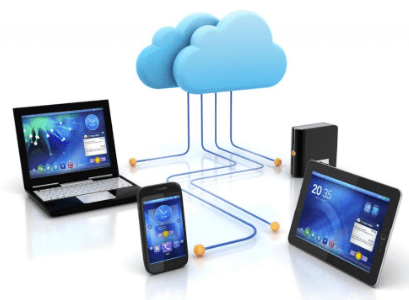

Smart technology in homes offers measurable gains in efficiency, security, and comfort. Automated systems optimize energy use, reduce waste, and save time through routine task management. Connected devices enhance monitoring and proactive maintenance, lowering downtime and boosting safety. Personalization learns patterns to tailor climate, health, and convenience without compromising control. Yet the balance between convenience and privacy remains crucial as homes become more data-driven. The next questions explore where automation adds value and where it prompts caution.
How Smart Tech Transforms Everyday Living
Smart technology reshapes daily routines by automating routine tasks and providing real-time insights into home systems. This transformation enables proactive maintenance, personalized schedules, and streamlined workflows, supported by data on energy use and occupancy patterns.
However, automation ethics and privacy implications require careful consideration, ensuring transparency, consent, and control remain central as households balance convenience with individual rights and security.
Cut Costs and Save Time With Home Automation
Across households, automation steadily reduces operating costs and frees time by optimizing energy use, monitoring equipment, and coordinating routines. Eco friendly automation lowers utility bills through intelligent heating, lighting, and appliance scheduling, while proactive maintenance reduces downtime. Budget friendly routines enable scalable adoption, aligning automated tasks with real needs and occupancy patterns, delivering measurable savings without compromising comfort or control.
Boost Security and Peace of Mind via Connected Devices
Connected devices enhance home security and provide consistent peace of mind by delivering real-time monitoring, automated alerts, and verifiable access control.
They enable centralized security monitoring, rapid incident response, and verifiable event logs.
With remote access, occupants monitor and manage systems off-site while preserving autonomy.
Data-driven insights support risk reduction, clear decision-making, and confidence in a future-ready, freedom-respecting smart home.
Personalize Comfort: Energy, Health, and Convenience Adaptations
Personalized comfort in smart homes centers on tailoring energy use, health metrics, and daily routines to individual preferences. Systems learn schedules, optimize consumption, and adjust conditions automatically.
Personalized cooling and adaptive lighting reduce waste while supporting well-being.
Data-driven insights enable proactive maintenance and health monitoring, improving convenience without sacrificing autonomy, scalability, or simplicity for freedom-seeking users.
Frequently Asked Questions
How Secure Are Smart Devices Against Hacking and Data Theft?
Smart devices exhibit moderate security: privacy risks persist, but hacking resilience improves with device update frequency, data minimization, and strong network segmentation; cloud storage concerns arise, yet proper protections can mitigate exposure and enhance user autonomy.
See also: tweetmagazine
Can Smart Tech Integrate With Existing Non-Smart Appliances?
Integration viability exists; smart tech can interface with many existing non-smart appliances via hubs, bridges, or retrofit modules. This approach supports energy savings while preserving investment, offering flexible, data-driven choices for audiences seeking tech-enabled freedom and control.
Do Privacy Concerns Outweigh the Convenience of Connected Homes?
“An anecdote shows a smart thermostat learning routines, like a quiet librarian.” The answer weighs privacy tradeoffs against convenience vs. risk: while devices offer efficiency, data collection introduces exposure; careful controls and transparency help preserve freedom in smart homes.
What Is the Typical Return on Investment Timeline for Smart Upgrades?
ROI timelines for smart upgrades vary, typically spanning 3–7 years, though savings accelerate with energy monitoring. The analysis notes security tradeoffs, considering data protection costs and potential breach risks alongside potential reliability improvements for consumer freedom.
How Do Smart Devices Affect Home Insurance Policy Requirements?
Smart devices alter policy requirements by highlighting risk management; insurers weigh data security, privacy concerns, and appliance compatibility, affecting premiums. Insurance implications hinge on ROI timeline clarity, while robust privacy controls can mitigate coverage gaps and optimize pricing.
Conclusion
Smart technology quietly reshapes daily life, much like a prudent custodian guiding a home through its routines. Data show automation trims energy use and saves time, while connected devices bolster security and autonomy. Personalization learns patterns to adjust comfort, health, and convenience without compromising control. As homes become more proactive and resilient, inhabitants gain reassuring predictability and future-readiness. In this evolving landscape, smart systems act as trusted stewards—balancing efficiency, safety, and privacy for sustainable living.