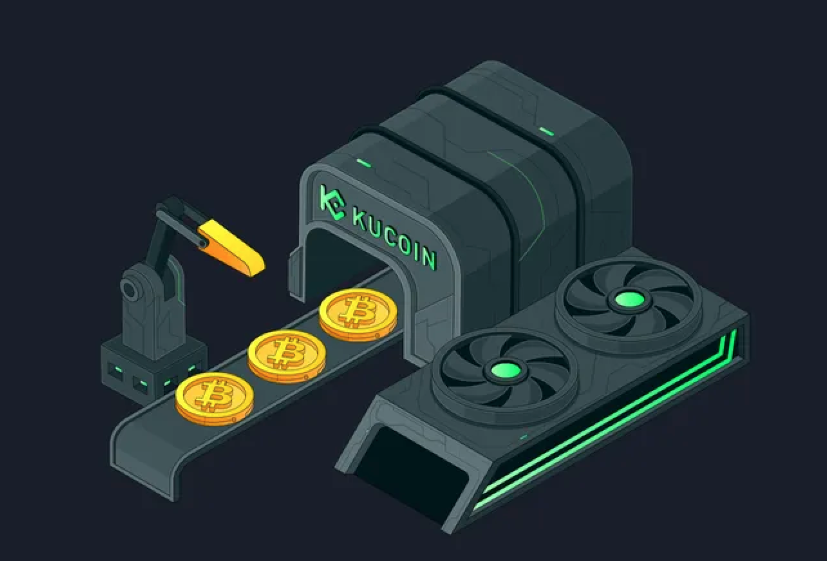

Bitcoin mining sustains the blockchain by validating transactions and extending the longest valid chain. It enforces open, verifiable rules through proof-of-work, ensuring consistent timestamps and resistance to tampering. Miners align incentives with rewards and fees, creating durable participation and decentralized governance. Energy use, hardware evolution, and transparent governance anchor security and predictability, balancing resilience with cost. The system remains open to new entrants, yet converges on a stable equilibrium that invites further examination.
What Bitcoin Mining Maintains: Security, Time-stamps, and Decentralization
Bitcoin mining underpins the three core functions of the blockchain: security, time-stamping, and decentralization. The process enforces security governance through open, verifiable consensus rules and distributed validation, reducing centralized risk.
It preserves timestamp integrity by linking blocks chronologically, ensuring immutable history.
Decentralization emerges from economically incentivized participation, reinforcing resilience and autonomy without reliance on a single authority.
See also: The Evolution of Video Streaming Platforms
How Proof-of-Work Keeps Transactions and Blocks Safe
Proof-of-Work secures the network by requiring substantial computational effort to add new blocks, making unauthorized alterations economically impractical.
The mechanism aligns incentives with protocol rules, since longest valid chain governs state.
Energy policy considerations influence sustainability, while hardware lifecycle factors affect operational cost and reliability.
Together, these dynamics preserve transaction integrity, block finality, and resilient consensus, independent of centralized control or coercion.
How Miners Shape Incentives and Build Consensus
Miners drive incentive alignment and consensus by converting block validation into revenue through block rewards and transaction fees, thereby shaping decision-making across the network.
They translate economic incentives into governance dynamics, guiding rule interpretation and protocol updates through demonstrated profitability and risk assessment.
This mechanism stabilizes participation, limits collusion, and preserves security while ensuring predictable, codified incentive alignment across decentralised participation.
Energy, Hardware, and Innovation: Driving Security in Real Life
Energy consumption, hardware evolution, and innovative solutions collectively fortify network security in real-world operation. The energy infrastructure shapes resilience, while hardware innovation delivers efficiency and robustness under variable loads.
Deterministic mining economics and transparent leadership in energy planning diminish risk. Real-time monitoring, standardized protocols, and open optimization enable secure, freedom-oriented participation, ensuring scalable, verifiable consensus without centralized control or vulnerability exploitation.
Conclusion
Bitcoin mining underpins security, time-stamping, and decentralization by aligning incentive with participation in a transparent, rule-based system. PoW secures transactions and blocks through competitive validation and chain growth, while miners shape governance and consensus through economic behavior. Energy use, hardware evolution, and continuous innovation reinforce resilience and security in practice. In the end, a robust network stands like a fortress built brick by brick—each hash a keystone, holding the structure of trust steady and unbroken.